



Getting zoning wrong on a commercial property can cost you months of delays, thousands in wasted fees, and a deal that falls apart at the last minute. The good news? Checking property zoning in South Africa is straightforward once you know where to look and what to ask for.
Quick answer: the fastest ways to check commercial zoning
Zoning in South Africa is controlled by local municipalities, so checking zoning of a commercial property always starts with the relevant local authority. Knowing the erf number and municipality name is crucial for zoning checks, and municipal zoning maps help identify current zoning categories for properties quickly.
Here's the simplest path for any commercial property:
- Find the erf number and street address on the title deed or municipal rates account.
- Identify which local municipality the property falls under (e.g. City of Cape Town, City of Johannesburg, eThekwini, City of Tshwane, Nelson Mandela Bay).
- Use that municipality's public GIS or zoning viewer if one is available online - major South African municipalities provide free online GIS mapping tools.
- Contact the planning or land use management department directly if there's no viewer or you need clarification.
- Request an official written zoning certificate if you need documentation for a legal process, finance application, or development submission.
Zoning laws are primarily governed at the local government level in South Africa, which means there's no single national portal. Each city has its own system.
A Rawson Property Group commercial broker can help property owners obtain and interpret zoning information as part of a free, no-obligation consultation - often faster than navigating municipal systems alone.
The sections below unpack how to do this in Cape Town, Durban, and other metros, plus how to read results and what to do if the zoning doesn't match your business goals.

Why commercial zoning matters for your business goals
Commercial zoning dictates allowable business activities and building height limits on a given piece of land. In simple terms, zoning is the rulebook that tells you what you can and can't do with a property.
Zoning determines permitted land uses and regulates factors like building size and density. Specifically, zoning controls:
- Permitted land use - whether the property can host offices, retail shops, restaurants, warehouses, or a mix.
- Building form - height restrictions, floor area ratios, site coverage, and parking requirements.
- Nuisance management - noise, traffic, and operating hours, enforced through municipal by-laws and local by-laws.
Commercially zoned land allows retail, office, and restaurant development, while zoning regulations dictate permitted activities on commercial land. A property zoned for general business use serves a very different purpose naturally than one zoned residential.
Concrete examples matter here. Running a restaurant in a Business 1 or General Business zone is usually straightforward. Trying to run it from a residential property without the right approvals? That's a compliance problem waiting to happen. Similarly, a home office might work under "home occupation" rules, but converting an entire building to full commercial use requires consent use or rezoning.
The risks of ignoring zoning are real:
- Compliance notices and fines from local municipalities.
- Forced closure or refusal of occupation certificates.
- Banks, insurers, and prospective buyers walking away when zoning is unclear or non-compliant.
Checking zoning early saves time and money, whether you're an investor, tenant, or owner-occupier. It's a standard step in Rawson's commercial due diligence process.
Step-by-step: how to check the zoning of a commercial property
This is your practical checklist. These steps apply anywhere in South Africa.
Step 1: Gather basic property information. You need the erf number, portion number, township or suburb name, and the name of the local municipality. All of this usually appears on the title deed or municipal account.
Step 2: Confirm which town planning scheme or land use scheme applies. For example, Cape Town uses the Municipal Planning By-Law 2015, Johannesburg has its Land Use Scheme, and eThekwini operates under its own town planning schemes.
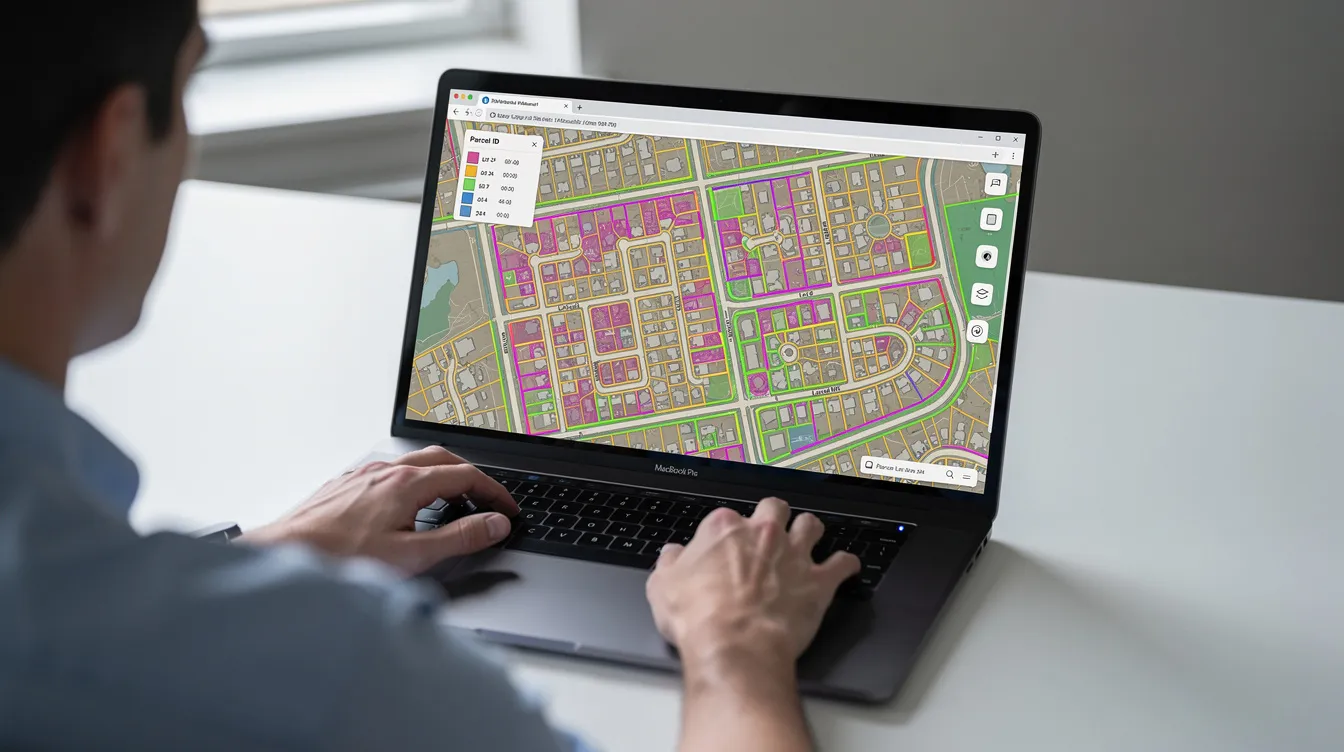
Step 3: Use the municipality's online zoning viewer or map viewer. Turn on the zoning layer, search by address or erf number, and check the zoning category assigned to the property. The city's zoning map will colour-code each erf.
Step 4: If there's no online viewer, call or email the town planning division or land use management department and request the current zoning.
Step 5: Cross-check with the title deed and surveyor general (SG) diagram. The zoning scheme always prevails if there's a conflict, but the title deed may contain certain restrictions that limit use beyond what zoning allows.
Step 6: Request an official zoning certificate. An official zoning certificate is legally required for property transactions, finance applications, and development submissions. Zoning certificates list primary land-use rights and consent uses for the property.
Verification of zoning involves a combination of maps, official certificates, and titles. Estate agents and commercial brokers familiar with local planning can pull this information faster and help interpret technical zoning codes - which is where Rawson's neighbourhood experts add real value.
Using the City of Cape Town's City Map and Zoning Viewer
Cape Town has one of the best-organised digital zoning systems in the country. The City Map Viewer is a public, interactive GIS map covering the entire metro, with layers for zoning, land use, cadastral parcels, overlay zones, and development applications.
How to use it:
- Go to the City of Cape Town website and open the City Map Viewer.
- Use the search bar to enter the street address or erf number.
- Turn on the Zoning and Land Use layers from the layer list.
- Zoom in until the erf is clearly visible and colour-coded by zoning classification.
Click on the property to see a pop-up showing the zoning category - for example, General Business (GB5), Local Business (LB2), Mixed Use (MU2), or General Industrial (GI2). The colour key is accessible from the zoning layer checkbox.
However, online maps are subject to errors and not legally binding for property transactions. For formal matters - development applications, sales agreements, or lease negotiations - property owners should still request the official Zoning Guide and consult the Consolidated Municipal Planning By-Law.
A Rawson commercial specialist in Cape Town would typically pull the zoning from the viewer, compare it against the by-law, and flag any overlay zones or heritage restrictions that could affect renovations or development.
Example: checking zoning in Durban / eThekwini
Durban follows a similar approach. The eThekwini GIS Online portal is available from the city's website - no login usually required.
Basic steps:
- Use the search bar and type either the street address or "Erf [number], [suburb]".
- Let the map zoom to the parcel and highlight the erf boundary.
- Switch on the Town Planning Scheme or Land Use Management layer to view zoning colours.
Click on the erf to open a pop-up displaying the zoning code - GB for General Business, LB for Local Business, MU for Mixed Use, I1 or I2 for Industrial, and so on. These codes are shorthand for the different use zones set out in the zoning scheme.
For any formal application - consent use, rezoning, or building plan approval - eThekwini requires a signed zoning certificate from the Land Use Management Unit. There's typically a modest fee (around R300–R600) and a short waiting period.
A SACPLAN-registered town planner or a commercial broker familiar with Durban's market can help property owners request and interpret the certificate quickly.
Common commercial zoning categories and what they mean
Zoning names differ between municipalities, but the underlying land use ideas are consistent across South Africa. Each municipality's zoning scheme outlines primary and consent land uses for every zoning category.
Here's a high-level breakdown of the main commercial-related categories:
| Category | Typical Uses | Example |
| Business 1 (General Business) | Shopping centres, main road retail, banks, restaurants | Business 1 zoning allows for general business activities |
| Local Business | Neighbourhood convenience centres, offices, medical suites | Smaller-scale commercial needs |
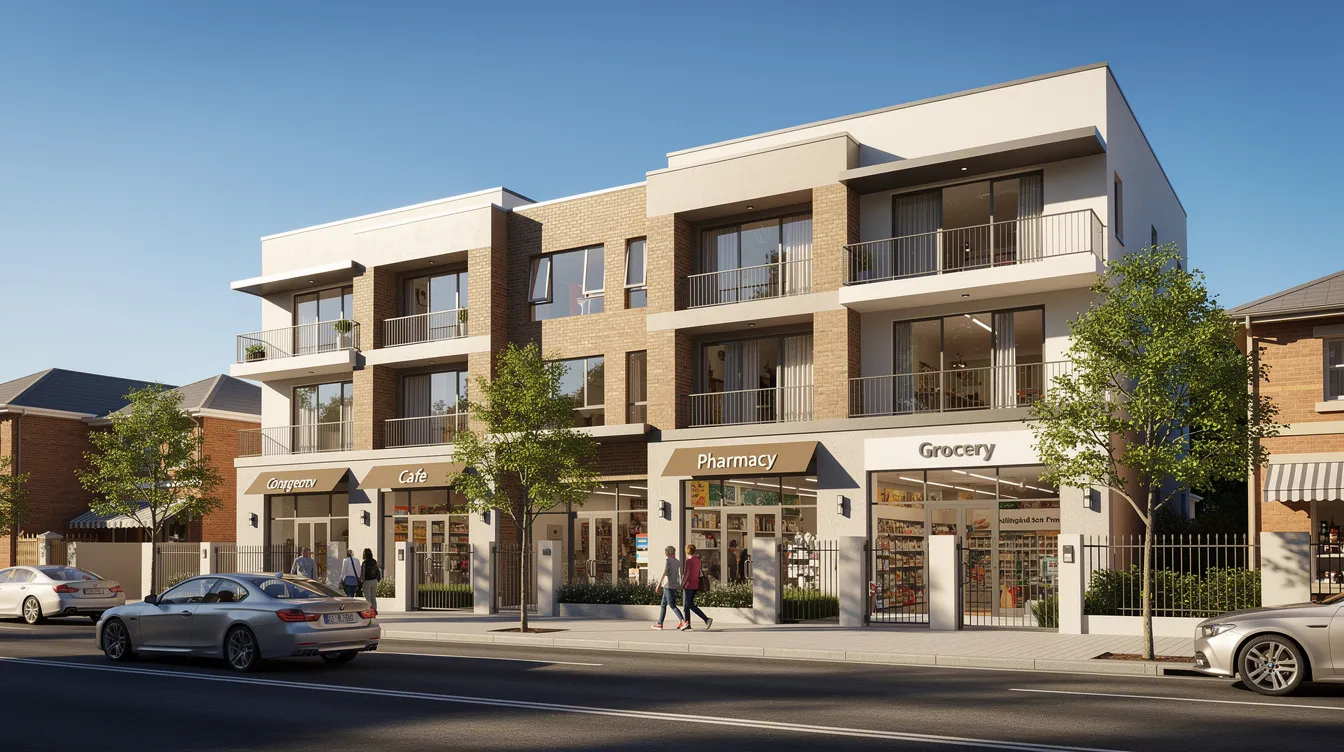
| Mixed Use (MU1–MU3) | Ground-floor shops with upper-floor apartment blocks or offices | Balances residential and commercial rights |
| Industrial 1 | Factories, warehouses, mini-factories | Industrial 1 zoning is for factories and warehouses |
| Industrial 3 | Specialist workshops, artisan studios | Industrial 3 zoning caters for specialist workshops |
| Special Use | Public garages, entertainment venues, logistics hubs | Unique activities needing specific rules |
For context, residential zoning has four categories in South Africa. Residential 1 allows one dwelling per stand or erf. Residential 4 permits 41 to 120 dwellings per hectare - think large apartment blocks and group housing complexes. A property allowing a second dwelling typically falls under Residential 2.
Each zoning category affects what kind of tenants can legally trade there, the intensity of business use allowed, and the potential rental value and market demand for investors. Property owners should always cross-check their specific municipality's land use scheme wording, as the same label can carry different zoning rights in different cities. Part III of many zoning schemes contains the detailed development parameters you'll need.
For more on industrial property considerations, Rawson's blog covers what to look for.
Consent use, departures and rezoning: when zoning doesn't fit your plans
Sometimes the existing zoning classification doesn't match your intended use. That's where consent use, departures, and re zoning come in.
Consent use is a secondary land use the local municipality may approve without changing the base zoning. For example, allowing a day spa, small coffee shop, or medical practice in a mixed-use or residential building. It involves an application, notices to surrounding property owners, and possible conditions around parking, trading hours, and traffic.
Departures are relaxations of development controls like building lines, coverage, height, or parking requirements. Example: asking for a reduced parking ratio for a small office conversion in an older CBD building.
Rezoning is the formal legal process to change a property's designated land-use classification - for example, from Residential 1 to Business 4. Rezoning changes the fundamental zoning rights of a said property. The rezoning process can take from two months to two years and typically requires impact assessments, public participation, and a zoning certificate as a supporting document. A signed Power of Attorney is often required for rezoning if an agent or town planner acts on the owner's behalf. Re zoning approval is never guaranteed.
Environmental Impact Assessments may be required for commercial projects, particularly larger developments, shopping centres, filling stations, or projects near sensitive environments. Historical approvals or departures may also affect a property's allowed uses, so always check the full application history.
Professionals like registered town planners can assist with complex zoning issues - this is a specialised service that goes beyond what most property owners can handle alone. Rawson Property Group can coordinate introductions to town planners, environmental consultants, and traffic engineers. If you're running a business from home and need to formalise your setup, consent use is often the first step.
Rezoning applications require balancing competing rights - the applicant's development goals against the community's interest in a proper balance of land uses. Achieving systematic and rational development is a core purpose of the zoning scheme regulations under SPLUMA.
Working with your local municipality and understanding local by-laws
South Africa's Spatial Planning and Land Use Management Act (SPLUMA) governs municipal land use at the national level, but every local municipality implements its own land use scheme, zoning map, and planning by-laws. Each municipality operates under its own Integrated Zoning Scheme By-law, and the zoning scheme regulations serves as the primary reference for all land use decisions.
Property owners should check with their municipality whether:
- Their property is zoned correctly and up to date.
- Any overlay zones affect business use (heritage, floodlines, environmental overlays).
- Local by-laws control signage, noise, trading hours, parking, and health requirements for such properties.
For complex rezoning applications, booking a pre-application meeting with the town planning division is a smart move. Submit written queries and keep records of all correspondence. Some municipalities (Cape Town, Johannesburg, Tshwane, eThekwini) have detailed online resources, while smaller municipalities rely on in-person visits and email.
Building plans must be approved by local municipalities before construction - this applies equally to new builds and significant renovations of commercial properties.
Legal process, finance and due diligence when buying or leasing
Zoning fits into the broader due diligence process for commercial buyers, tenants, and investors. Here are the key checks a conveyancer, bank, or investor will typically make:
- Confirm current zoning aligns with the intended use.
- Check for restrictive title deed conditions or servitudes. Restrictive title deed conditions may affect property use even if zoning allows it.
- A title deed must be reviewed for encumbrances before purchase.
- Confirm existing buildings comply with approved building plans and zoning controls.
Zoning affects bank lending decisions and bond approval. Insurers may decline claims if a high-risk use operates from land zoned for something else. Future resale value depends heavily on whether a property's zoning supports strong market demand.
Land claims may also affect the purchase of commercially zoned land - your conveyancer, usually an attorney specialising in specialist conveyancing and property law division work, should check this. The Estate Agency Affairs Board regulates estate agents in South Africa, and any estate agent's advertising platform or advertising statements about a property's zoning must be accurate. Where a court ruled that zoning was misrepresented in a transaction - as seen in cases handled by firms like Veldhuizen Attorneys - the seller may face claims of fraudulent misrepresentation.
Do your own due diligence. Written zoning certificates, land use scheme extracts, and professional opinions from town planners are standard in larger transactions. Rawson Finance can assist buyers in getting pre-qualified for commercial bonds, while Rawson commercial agents help assemble zoning documentation banks and investors require.
How Rawson Property Group can help with commercial zoning and strategy
Rawson Property Group has spent over 40 years helping South Africans navigate property transactions - including the zoning questions that can make or break a commercial deal.
Here's how the Rawson commercial division supports clients:
- Identifying zoning and development rights for property owners and investors.
- Matching business goals - whether you're starting a medical practice, opening a retail outlet, or investing in light industrial units - with properties that have the correct zoning applies to your needs.
- Coordinating with professionals where consent use, departures, or rezoning applications are needed.
- Commercial valuations - find out what your property is worth before or after rezoning decisions.
- Business brokering through Rawson Business Brokers where the business and property are linked.
Ready to move? Start your property search now for suitably zoned commercial properties, or book a free consultation with a Rawson commercial broker to discuss zoning, development options, and investment strategy.
Practical FAQs about commercial zoning in South Africa
How do I know which local municipality my property falls under? Check your municipal rates account or title deed - both list the municipality. You can also search your address on the Municipal Demarcation Board website.
Can I run a business from a residentially zoned property without rezoning? Sometimes, under "home occupation" or consent use provisions. But full commercial use from a residential property almost always requires a formal application. The zoning scheme regulations laws in your area will define the limits.
How long does a typical consent use or rezoning application take? Consent use applications generally take two to four months. Rezoning can take from two months to two years depending on complexity and public participation requirements.
What does it cost to get a zoning certificate, and who issues it? Zoning certificates cost between R150 and R700 in most metros. They're issued by the local municipality's planning or land use management department.
Do I need impact assessments for a small office, restaurant, or warehouse? Small-scale conversions rarely trigger full impact assessments. Larger commercial developments, filling stations, or projects near sensitive areas may require traffic or environmental studies.
Who can help if my planned land use doesn't match my current zoning? A registered town planner is the go-to professional. Your Rawson commercial broker can connect you with the right specialist and help coordinate the application process.
Is the zoning shown on an online map viewer legally binding? No. Online maps are useful for initial research but are not legally binding. Always obtain an official zoning certificate for transactions.
For personalised advice on zoning, land use, and finding the right property for your commercial needs, contact your nearest Rawson Property Group office today.


