



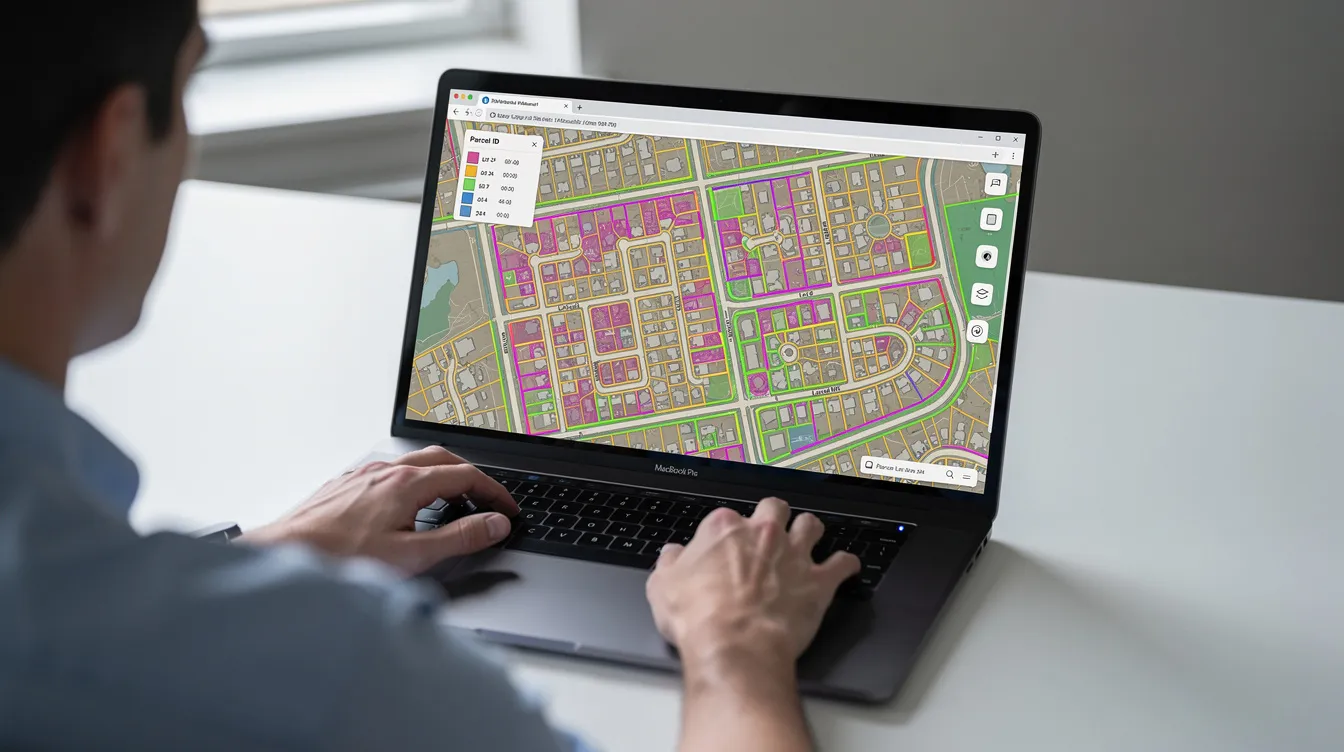
Commercial property due diligence is the systematic, multipronged investigation a buyer conducts between signing a purchase agreement and closing a commercial real estate transaction. It exists to uncover hidden liabilities-financial, legal, physical, environmental, and regulatory-that could erode future income, inflate costs, or restrict how you use the property. The commercial due diligence process aims to uncover hidden liabilities and confirm asset performance before you commit capital.
This guide covers the full scope of what thorough due diligence involves: title verification, financial analysis, physical inspections, environmental assessments, zoning compliance, and tenant lease reviews. It is written for commercial property investors, business owners, and entrepreneurs considering a commercial real estate purchase who need to understand exactly what this complex process requires before closing.
Core categories of commercial property due diligence include financial, legal, physical, and environmental assessments.
By the end of this guide, you will understand:
- The essential components of a comprehensive due diligence checklist and how each protects your investment
- Realistic timeline expectations and factors that extend the diligence period
- Cost implications and how to budget for professional investigations
- Risk mitigation strategies that prevent costly mistakes after closing
- How to assemble and manage a professional diligence team
Understanding Commercial Property Due Diligence
Commercial property due diligence is an investigative process designed to protect buyers from hidden risks and potential liabilities before finalising a purchase. Unlike a simple property inspection, it is a framework of multiple parallel investigation tracks-legal, financial, physical, environmental, and regulatory-each addressing different risk domains. Together, these tracks reveal whether the property's actual condition, income generation, legal status, and suitability for your intended use match what was represented by the seller.
The critical distinction from residential due diligence lies in the "caveat emptor" (buyer beware) principle that governs commercial transactions. Commercial purchases generally assume a "voetstoots” basis unless expressly stated otherwise. Sellers are not required to provide the same level of statutory disclosure as in residential sales. This means you must verify everything-leases, zoning, compliance, physical condition-because undisclosed risks tend to be greater and liabilities far more expensive in commercial real estate.
Legal Foundation and Buyer Protection
During the due diligence period, the buyer holds contractual rights established through the purchase and sale agreement. These typically include contingency clauses that allow the buyer to withdraw or renegotiate if certain conditions-good title, clean environmental reports, zoning approval-are not satisfied. Legal and title due diligence reviews ownership rights and existing agreements, giving buyers the contractual leverage to protect themselves before closing.
The voetstoots sales principle in commercial property transactions means the buyer assumes risk for any conditions not expressly warranted by the seller. This is precisely why capturing specific warranties, indemnities, and estoppel certificates (tenant confirmations of lease terms) becomes essential. Without these protections, you inherit every undisclosed problem the moment the deal closes. Due diligence helps reduce post-closing surprises in transactions by ensuring you know exactly what you are acquiring.
Due Diligence Period Timeline
A typical due diligence period lasts between 30 and 60 days for straightforward commercial deals. However, this timeframe is negotiable and often extends to 90 days or more for complex properties-particularly those involving industrial uses, environmental concerns, heritage restrictions, or pending entitlements.
Factors that affect duration include:
- Size and complexity of the property and its systems
- Number of tenants and the time required to collect estoppel certificates
- Extent of environmental testing (Phase I or Phase II)
- Whether zoning variances or building permits are pending
- Geographical or regulatory complexity across multiple jurisdictions
Understanding these factors early helps you negotiate an appropriate diligence period in your purchase agreement, rather than scrambling when investigations take longer than expected.
Core Components of Commercial Property Due Diligence
Six fundamental areas require thorough investigation in any commercial real estate transaction. Each represents a critical component of the diligence process, and weaknesses discovered in any single area can reshape or terminate the entire deal.
Property Title and Ownership Verification
A title search confirms the seller's ownership rights and establishes the complete chain of ownership for the property. Title searches uncover Legal claims, interdicts or restriction placed on property, and servitudes that could restrict your use or create financial obligations. A preliminary title report is essential before closing-it reveals recorded Legal claims or - interdicts, judgments, mortgage bonds, servitudes (such as rights of way or utility easements), and restrictive title conditions that may limit what can be built or what business can be conducted.
A Title Deeds search are crucial for avoiding future ownership disputes. Any title defects discovered-boundary disputes, unresolved claims, or conflicting endorsements must be resolved before transfer. Property or building insurance protects against undiscovered title defects that may surface after closing, providing a financial safety net when the Title Deed search cannot catch everything.
For properties with complex histories, an Surveyor-General diagrams provides precise boundary verification, identifies encroachments, and confirms setback compliance. This survey, combined with the preliminary title deed report, gives you a complete picture of what you legally own and what limitations attach to that ownership.
Financial Performance Analysis
Financial due diligence verifies a property's economic viability and is often the deciding factor in whether a deal proceeds. For any income producing property, you need to review profit and loss statements to assess financial health and analyze historical income and expenses for future cash flow projections.
Request three years of financial documents for verification-at minimum. This includes operating statements (ideally monthly, not just annual summaries), rent rolls, bank statements, and tax returns. Tenant lease reviews confirm the accuracy of the rent roll by cross-referencing what leases stipulate against what tenants actually pay. Lease payment history reveals reliability of income streams, while lease agreements dictate future cash flow for commercial properties.
Key areas of financial analysis include:
- Rent roll and lease review: Certified rent rolls showing lease start and expiry dates, renewal options, rent escalation clauses, free rent periods, and tenant improvement obligations
- Operating expenses and capital expenditures: Distinguish between recurring and non-recurring expenses, and identify deferred maintenance that will require capital spending post-closing
- Tax and utility bills: Review property tax history for the past three years, assess utility consumption patterns, and forecast potential reassessment if the property's use or value changes
- Income verification: Compare rent roll figures against bank statements and occupancy history to confirm that collected income matches reported income
The due diligence process identifies any deferred maintenance requiring capital expenditures after closing-information that directly impacts your cash flow projections and the true value of the investment.
Physical Property Assessment
Physical inspections are conducted by professional inspectors to evaluate the building's structural condition, mechanical systems, and overall fitness for use. Commercial Property Condition Assessments are normally done by licensed engineers or architects who can provide an objective assessment of the property's true condition.
A Property Condition Assessment (PCA) covers:
- Structural integrity: foundations, framing, load-bearing walls
- Building envelope: roofing, exterior cladding, windows, waterproofing
- Mechanical systems: HVAC, plumbing, electrical, elevators, fire suppression
- Life safety systems: fire alarms, sprinklers, emergency lighting, egress compliance
Property inspections identify structural issues and necessary repairs, enabling you to budget accurately and negotiate price adjustments. The assessment estimates remaining useful life of major systems and flags immediate repair needs. For example, a roof replacement on an office building can cost hundreds of thousands of rands-discovering this before closing changes the economics of the entire deal.
Physical due diligence also inspects structural integrity and environmental safety of properties, verifying that existing structures comply with building codes and safety regulations. Any code violations must be identified and costed, as they can trigger regulatory violations and enforcement actions from local authorities.

Specialized Due Diligence Investigations
Beyond the core components, specialized investigations dig into non-obvious liabilities that frequently become deal-breakers or powerful negotiation levers. These areas-environmental risk, zoning compliance, and tenant analysis-require dedicated expertise and often uncover issues that basic reviews miss.
Environmental Due Diligence Process
Environmental due diligence identifies potential contamination risks that could create massive financial liability. A Phase I Environmental Site Assessment is a standard first step, investigating Recognized Environmental Conditions (RECs) through historical use review, site visits, records searches, and interviews with current and former operators.
Environmental Site Assessments can trigger further Phase II testing for contamination if risks are identified. A Phase II ESA involves soil sampling, groundwater testing, and laboratory analysis to quantify contamination and estimate remediation costs. Environmental assessments can reveal costly contamination issues-remediation can cost millions and take years.
Key environmental concerns include:
- Underground storage tanks (current or decommissioned)
- Historical industrial use involving chemicals or heavy metals
- Potential contamination from adjacent properties
- Asbestos, lead paint, or other hazardous building materials
CERCLA holds current and past owners liable for contamination cleanup, making environmental assessments crucial for identifying contamination risks before you become the responsible party. Investors should hire qualified professionals for environmental assessments-this is not an area where shortcuts are advisable.
Zoning and Regulatory Compliance Review
Zoning compliance ensures property use aligns with local regulations, and mismatches can derail your entire business plan. Legal due diligence examines titles, permits, and zoning laws to confirm that the property's current and intended use is permitted under its zoning classification.
Buyers should obtain a Zoning Verification Letter from local authorities confirming the property's zoning designation, permitted uses, setbacks, coverage ratios, and parking requirements. Zoning laws dictate permitted uses, setbacks, and parking ratios-and zoning mismatches can lead to costly project delays or failures.
Critical verification points include:
- Whether the property's current use matches its zoning designation
- Whether the property holds valid certificates of occupancy matching actual use
- Whether any structures were built or modified without proper building permits
- Whether the property falls within heritage, overlay, or conservation zones that restrict modifications
- Compliance with the Americans with Disabilities Act (or equivalent local accessibility requirements)
If the property complies with current regulations but your intended use requires changes, engaging a land use attorney can clarify complex zoning issues and estimate the cost and timeline for obtaining variances or rezoning approvals. Investors must verify compliance with local zoning regulations before committing to a purchase.
Tenant and Lease Analysis
For any income producing property, tenant and lease analysis is where financial projections meet reality. Reviewing tenant leases verifies income stability for properties and identifies potential risks affecting profitability. Tenant lease review identifies potential risks affecting profitability that may not be visible from the rent roll alone.
You must carefully review full lease documents-not just summaries or abstracts. Key elements to examine include:
- Lease terms: Duration, renewal options, rent escalation clauses (CPI-linked, fixed percentage, or market-based), and any free rent periods or concessions
- Tenant obligations: Responsibility for maintenance, insurance, repairs, and common area costs
- Restrictive provisions: Exclusivity clauses, co-tenancy requirements, rights of first refusal, and kick-out clauses
- Assignment and subletting: Whether tenants can transfer their lease or sublet space
Tenancy assessments involve reviewing tenant payment histories and requests for estoppel certificates. Estoppel certificates confirm from each tenant that the lease terms are accurate, disclose any disputes, and identify any landlord defaults. This documentation is essential for verifying the financial stability of the income stream.
Tenant creditworthiness matters enormously-especially when a single tenant contributes a large percentage of total rental income. Assess each tenant's track record, financial statements, and payment history to understand the real risk profile of your investment.
Due Diligence Process and Documentation
A structured, systematic approach to managing due diligence investigations prevents critical items from falling through the cracks. A comprehensive due diligence checklist is essential for thorough evaluations, serving as both a tracking tool and a framework for your diligence team.
Essential Documentation Review
The volume of documentation required for a thorough review is substantial. Here is what you need across each category:
Financial records: Operating statements (T-12 trailing twelve months), three to five years of historical profit and loss statements, annual budgets, tax returns, utility bills, arrears reports, and capital expenditure history. These financial documents support income projections and reveal cost pressures that may not be apparent from summary figures.
Legal documents: Title deeds, chain of ownership documentation, survey reports, full copies of all leases with amendments, guarantee agreements, service contracts, vendor contracts, insurance policies, and any litigation history. Legal and title review requires examination of title commitments and encumbrances to ensure clean ownership transfer.
Property documents: PCA reports, roof and building envelope evaluations, structural analyses, elevator inspection certificates, maintenance logs, and any prior engineering reports. Due diligence reports provide a detailed overview of property risks and issues compiled from these source documents.
Municipal records: Certificates of occupancy, building permits, verified building plans, zoning certificates, tax assessments, utility arrangements, and health and safety certifications. Insurance and risk assessments evaluate historical claims history and necessary coverage requirements.
Many transactions now use a virtual data room to organize and share these documents securely between parties, streamlining the review process and maintaining an audit trail.
Professional Team Assembly
Due diligence can involve hiring a team of specialists including real estate attorneys and inspectors. No single professional can cover every investigation track effectively. Your diligence team should include:
- Commercial real estate attorney: Handles legal document review, title examination, contract drafting, and regulatory compliance verification. In South Africa, a qualified conveyancing attorney is mandatory for property transfers.
- A registered professional (such as a structural or civil engineer, architect or building surveyor) Conducts structural and systems assessment, identifying necessary repairs and estimating remaining useful life of building components.
- Environmental consultant: Manages Phase I and Phase II environmental site assessment work, including soil and groundwater testing when potential contamination is identified.
- Property valuer: Provides independent market value determination using comparable sales, cap rate analysis, and income approach methodologies. Market analysis evaluates local vacancy rates, competing inventory, and economic drivers to contextualise the property's potential.
- Surveyor: Confirms boundaries, identifies encroachments, and verifies setback compliance even when an existing survey is on file.
Assembling industry experts early-ideally before the due diligence period begins-ensures you maximise the available investigation time and avoid costly delays.
Common Due Diligence Challenges and Solutions
Even well-organised due diligence encounters obstacles. Understanding common challenges and their solutions helps you navigate the process without losing time or leverage. Due diligence can uncover hidden liabilities in commercial properties, and how you respond to those discoveries determines the outcome.
Incomplete or Inaccurate Financial Records
Sellers sometimes provide pro forma projections or incomplete operating statements rather than verified historical figures. Common area maintenance charges may be underestimated, expenses misclassified, or income inflated.
Solution: Request alternative documentation such as bank statements and tax returns for verification. Cross-reference rent rolls against individual lease agreements and actual deposit records. Engage a forensic accountant for detailed financial analysis when discrepancies exist between reported figures and source documents. Stress-test all projections against realistic vacancy and expense assumptions to understand the property's true value rather than its marketed value.
Environmental Contamination Discoveries
When a Phase I assessment identifies Recognized Environmental Conditions, a Phase II investigation follows-often at significant cost. Environmental assessments can prevent costly remediation efforts if contamination is caught before closing, but the discovery itself creates negotiation complexity.
Solution: Negotiate remediation responsibilities and cost allocation with the seller. Options include seller-funded remediation before closing, purchase price adjustment reflecting estimated cleanup costs, or shared liability arrangements. Consider environmental liability insurance to protect against future cleanup costs and liability issues that may surface years later. Never proceed without quantifying the financial exposure.
Zoning or Regulatory Non-Compliance Issues
Properties frequently have occupancy certificates that don't match actual use, illegal additions built without permits, or title deed conditions that restrict the buyer's intended use. These regulatory violations can affect financing, insurance, and operational viability.
Solution: Assess cost and feasibility of bringing the property into compliance with current zoning laws and building regulations. Evaluate the impact on your intended use and investment returns before proceeding. If compliance requires variances or rezoning, factor in both the timeline (which can stretch to months) and the risk of rejection. Lenders typically require full regulatory compliance before approving financing, so non-compliance can stall or kill a deal entirely.
Next Steps
Commercial property due diligence is a thorough investigation encompassing title verification, financial analysis, physical condition assessment, environmental status evaluation, tenant and lease review, and regulatory compliance confirmation. Each track addresses distinct potential risks, and together they reveal whether the property's actual condition supports your investment goals and business plan. Skipping or shortcutting any component exposes you to unexpected costs, liability issues, and lost income that could have been avoided.
To move forward effectively:
- Assemble your professional team before signing a purchase agreement-attorney, inspector, environmental consultant, appraiser, and surveyor
- Establish a realistic due diligence timeline in your contract, typically 30 to 60 days for standard deals, longer for complex properties
- Create a detailed due diligence checklist covering all financial, legal, physical, environmental, and regulatory documentation requirements
- Set up a virtual data room or organised document management system to track received materials and outstanding requests
- Budget appropriately for due diligence costs, which typically range from 0.5% to 2% of the purchase price depending on property complexity
For readers exploring related topics, consider diving deeper into commercial property financing and gearing strategies, lease negotiation and agreement structures, and ongoing property management considerations that protect your investment long after closing. Comprehensive due diligence is not merely a checkbox exercise-it is the foundation for making informed decisions that protect your capital and position your commercial real estate investment for long-term success.


