



Responding Quickly When a Commercial Tenant Stops Paying
Picture this: it's early March 2026 and you own a retail unit in Sandton. The first of the month comes and goes, and the rental payment from your commercial tenant simply doesn't arrive. No call, no email, no explanation. Just silence.
When a commercial tenant stops paying rent, the financial impact hits fast. Unpaid rent is only the start - service charges, municipal utilities, interest, and your own bond repayments keep ticking. With municipal and operating costs now making up roughly 26% of gross income on commercial estates, even a single missed payment can put real pressure on your cash flow.
This article is a practical roadmap for South African commercial landlords. It covers every step from that first missed payment through to formal legal action, commercial eviction, and recovering what you're owed. Your options at each stage depend on what your commercial lease says, the tenant's financial position, and whether you want to preserve or end the relationship. When a commercial tenant stops paying rent, landlords must follow lease terms and South African common law to protect their rights.
Landlords should seek legal advice before taking action on arrears, but understanding the full picture first will help you make smarter, faster decisions.

Step 1 – Confirm What the Commercial Lease Actually Says
Before you send a single letter or make a phone call, pull out the lease agreement. It's your rulebook, and everything flows from it.
Commercial leases are primarily governed by common law and the specific terms outlined in the contract. Re-read these key clauses carefully:
- Rent due dates and payment method. Commercial rent commonly falls due quarterly on specific dates, though monthly arrangements are also standard. Check whether your tenant is truly late or whether a grace period applies.
- Default and cancellation provisions. Most commercial leases include a forfeiture clause. Forfeiture clauses typically activate after 14 or 21 days of non payment, allowing the landlord to terminate the lease. Some leases allow immediate cancellation; others require written notice with a cure period of 5 to 30 business days.
- Interest on arrears and other sums. Many leases charge interest at a specified rate from the date rent falls due.
- Guarantees, sureties, and rent deposit. Note any security you hold - this affects your options to collect arrears later.
Non-payment of rent is a material breach justifying forfeiture in almost every standard commercial lease. Your lease terms dictate which path you can take - so understanding your lease agreement is the essential first step.
Step 2 – Make Contact and Find Out Why the Commercial Tenant Has Stopped Paying
Don't assume bad faith. The first move is to direct tenant communication toward understanding the problem. Understanding the tenant's reasons for missed payments is crucial - it could be a temporary cash-flow squeeze, a serious downturn, or even a dispute about the premises.
Open dialogue can resolve payment issues quickly, and early communication can prevent costly litigation. Structure that first conversation or email clearly:
- Confirm the exact amount outstanding (principal rent, service charges, other sums).
- State the dates missed - for example, "June and July 2026 rentals."
- Ask for a written explanation and any supporting financial information.
- Keep notes. Documenting communication helps protect landlord rights if matters escalate.
One important point: under most commercial lease agreements, commercial tenants cannot simply withhold rent because of maintenance complaints or other disputes. They should use the dispute processes in the lease instead. You can read more about commercial tenants' responsibilities to understand where that line falls.
Avoid agreeing off-the-cuff to changed payment dates or casually accepting erratic part-payments. Doing so without a clear written agreement can complicate later forfeiture or commercial eviction steps.
Step 3 – Issue a Formal Written Demand for Payment
Once informal contact fails - or if the tenant goes quiet - move quickly to a formal written demand. This protects your legal position and creates the paper trail courts expect.
A written notice of breach must specify the amount owed and state a payment deadline. Your demand letter should include:
- Full landlord and tenant details.
- The lease reference number.
- An itemised breakdown of commercial rent arrears (rent, interest, service charges).
- A clear deadline - for example, "7 business days from 1 October 2026."
- A statement that failure to pay will result in cancellation and further legal action.
The Consumer Protection Act may prescribe notice periods for smaller commercial tenants. Where the CPA applies (a natural-person tenant on a fixed-term lease), you must allow at least 20 business days to remedy the breach. For juristic-person tenants, the lease's own notice period governs - understanding the CPA in lease agreements is worth reviewing.
Serve the demand to the tenant's domicilium address in the lease, to the commercial premises, and to any email address specified in the contract. Use registered post, sheriff, courier, or hand-delivery with a witness. Proof of service matters - courts scrutinise it closely.
Even where the lease allows "immediate" cancellation, South African courts usually expect some form of prior demand before granting an eviction order.

Step 4 – Do You Want to Keep the Tenant or End the Commercial Lease?
Before escalating, pause and think strategically. Commercial landlords face two broad paths:
- Preserve the tenancy - negotiate a payment plan, recover arrears over time, and avoid vacancy. This makes sense when the tenant's conduct has otherwise been good, the business is viable, and re-letting the space could take months.
- End the lease - cancel, evict, and find a new tenant. This is the right remedy when the tenant's payment history shows a pattern of default, the business looks terminal, or market demand means you can re-let quickly.
Weigh these factors honestly: remaining lease term, current market rental for similar premises, likely vacancy period (often 3–6 months), and refurbishment costs. Negotiating payment plans can preserve tenant relationships, but only if the tenant is genuinely able to pay.
Rawson Property Group's commercial team can provide rental valuations and market insight on how quickly premises in your node are currently being let - giving you real data to make this call.
Step 5 – Negotiating Payment Plans and Temporary Rent Concessions
Where the commercial tenant is fundamentally viable but under strain, a structured plan lets you recover arrears without ending up with empty premises.
Common options include:
- Arrears repayment spread over 3–12 months alongside current rent.
- A temporary rent reduction for a defined period.
- Rent deferral added to the end of the lease term.
The critical step is documenting everything in a written side agreement or addendum. This should cover exact dates, amounts, interest, any additional security, and what happens if the tenant fails again - for example, an immediate right to cancel and proceed with commercial eviction.
Here's a practical example: an office landlord in Johannesburg agrees in August 2026 to a 6-month repayment schedule with a tenant who fell three months behind after a major client cancelled. The addendum states 25% of arrears paid in month one, the balance spread evenly, with interest at the lease rate. If any instalment is missed, the landlord can cancel without further notice.
Be careful about waiver. If you casually accept partial payments after a serious breach without a written agreement, courts may interpret the tenant's conduct - and yours - as evidence that you've waived your right to forfeit. Any concession should be clearly labelled as "without prejudice to the landlord's rights."

Step 6 – Using Security: Rent Deposits, Guarantors and Former Tenants
Before heading to court, assess all existing security under your commercial lease.
Rent deposit: Most commercial lease agreements specify when the landlord may apply the deposit to cover commercial rent arrears, what notice is required, and whether the tenant is obligated to reinstate (top up) the deposit afterward. A typical commercial or industrial lease holds a 2-to-3-month rental deposit—useful for covering immediate shortfalls, though rarely enough to absorb prolonged arrears and reinstatement costs.
Deeds of Suretyship: Many commercial leases—particularly where the tenant is a Pty (Ltd) or Close Corporation—are backed by personal suretyships signed by the directors or members. Landlords can pursue these sureties directly for unpaid rent. Before incurring legal fees, verify that the suretyship was validly executed, check whether it is limited or unlimited, and assess whether the surety holds attachable assets.
Outgoing tenants (Cession and Assignment): If the current tenant took over the space via a cession and assignment from a previous tenant, check the original assignment agreement. In some instances, the outgoing tenant or their original sureties may still carry residual liability depending on how the assignment was structured. Obtain legal advice before pursuing an outgoing party.
One caution: Appropriating a deposit or enforcing a suretyship can affect the timing and validity of lease cancellation. Always align your security drawdowns with your broader legal strategy alongside a specialist commercial property attorney.
Step 7 – Commercial Rent Arrears Recovery and Seizing the Tenant's Goods
In South Africa, landlords do not have the right to simply walk onto the premises and seize or sell a tenant's stock themselves. However, South African common law provides a powerful built-in protection: the landlord’s tacit hypothec.
The moment a commercial tenant falls into arrears, the landlord automatically acquires a real right of security over all movable property (known as invecta et illata—such as stock, equipment, computers, and vehicles) brought onto the leased premises.
To stop a defaulting tenant from emptying the warehouse or shop overnight before you obtain a final judgment, your attorney can issue a Rent Interdict Summons (in terms of Section 31 or 32 of the Magistrates' Courts Act) or bring an urgent High Court attachment application:
How it works: As soon as the Sheriff serves the Rent Interdict Summons, an automatic interdict takes effect, legally prohibiting the tenant (or anyone else) from removing movable goods from the premises pending the outcome of the court case.
Attachment and sale: Once the court grants judgment for the arrears, the Sheriff formally attaches the secured inventory and equipment via a Warrant of Execution and sells the goods at a public auction to recover your unpaid rent.
Practical example: A retail tenant stops paying rent on a Johannesburg store holding substantial stock. Your attorney issues a Rent Interdict Summons immediately, locking down the stock on-site. Once judgment is granted, the Sheriff attaches and auctions the inventory to settle the arrears.
The limitation: The tacit hypothec only remains active while the goods are on the premises (unless the Sheriff pursues them immediately as they are being removed). If a tenant has already stripped the unit, this remedy falls away—making speed essential.
Step 8 – Cancelling the Lease and Starting Commercial Eviction Proceedings
Cancellation and commercial eviction are serious, irreversible steps. Obtain legal advice before proceeding.
Lawful Cancellation: Once the cure period in your written breach notice has expired and the tenant has failed to remedy the default, you may formally cancel the lease in writing. Use unequivocal wording: state the exact date of cancellation, reference the breach and expired notice period, and confirm that the tenant is now in unlawful occupation of the premises.
Strictly No "Self-Help" or Lockouts: Under South African law, landlords are strictly prohibited from taking the law into their own hands. You may never change the locks, block access, or disconnect water and electricity without a court order—even if a clause in your commercial lease purports to give you that right. Doing so constitutes unlawful spoliation; a court will immediately force you to restore possession and power to the defaulting tenant and order you to pay punitive legal costs. (Note: Commercial evictions proceed are governed under South African common law via motion proceedings).
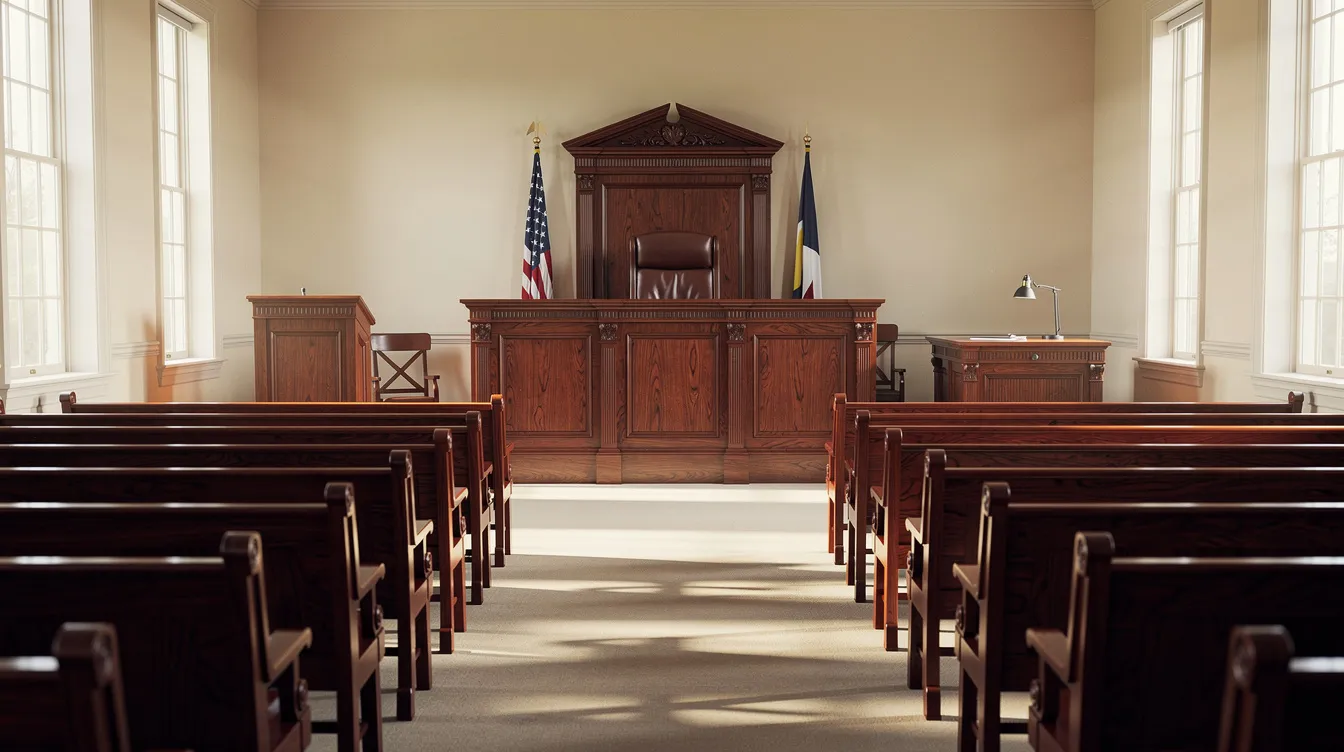
The Commercial Eviction Process: If a tenant refuses to vacate after valid cancellation, your attorney will launch eviction proceedings in the Magistrate's Court or High Court:
- Application / Summons issued: Your attorney serves formal eviction papers (typically via Notice of Motion) on the tenant.
- Opportunity to oppose: The tenant is given a prescribed period (usually 10 to 15 business days) to file a notice of intention to oppose.
- Court hearing: If unopposed, the matter is set down on the unopposed roll; if opposed, affidavits are exchanged and a hearing date is allocated (ranging from 4 to 12 weeks depending on court rolls).
- Eviction Order & Sheriff execution: Once the court grants the eviction order, the Sheriff is authorised to physically remove the tenant and their belongings from the premises.
In uncontested matters, regaining possession typically takes 2 to 3 months. Contested matters—particularly where a tenant raises technical defences—can stretch to 4 to 6 months or longer. Landlords may also claim holding-over damages (equal to the market rental value) for every month the tenant remains in unlawful occupation post-cancellation.
Step 9 – Court Proceedings to Recover Arrears and Enforce Judgment
Landlords frequently pursue two parallel objectives through the courts: an eviction order to regain control of the asset, and a monetary judgment to recover unpaid rent, municipal recoveries, interest, and legal costs (often on an attorney-and-client scale if provided for in the lease).
Depending on the monetary value of your claim and the jurisdiction clause in your lease, proceedings are instituted in either the District/Regional Magistrate’s Court or the High Court. Your claim will set out the terms of the lease, the breach, proof of proper delivery of the demand, valid cancellation, and an itemised calculation of all arrears.
In MV Andre Builder Joiner CC v Nordien (2021), for example, the court upheld the landlord's cancellation and granted judgment for roughly R708,000 in arrears after the tenant defaulted and failed to remedy the breach despite formal written notice.
Once the court grants a monetary judgment, your attorney can enforce it through several mechanisms:
- Warrant of Execution against Movables: Instructing the Sheriff to attach and auction the tenant's (or surety's) business equipment, vehicles, or stock.
- Warrant of Execution against Immovables: Attaching fixed property owned by the tenant or personal surety if movable assets are insufficient to cover the debt.
- Garnishee Orders: Compelling third parties—such as the tenant's bank or major trade debtors—to pay funds owed to the tenant directly toward settling your judgment debt.
Duty to Mitigate Loss: Under South African contract law, if you cancel a lease and claim damages for the remaining unexpired lease period, you have a legal duty to mitigate your losses by actively marketing and re-letting the premises as soon as reasonably possible.
Step 10 – Statutory Demands and Insolvency Proceedings
Insolvency is usually a last resort - reserved for situations where commercial rent arrears are undisputed, substantial, and the tenant clearly cannot or will not pay.
A statutory demand is a formal written demand for an undisputed debt over a set threshold. A statutory demand gives tenants 21 days to pay their debt or face liquidation or sequestration proceedings. A statutory demand can encourage tenants to pay overdue rent - the threat of winding-up concentrates minds quickly.
Example: A company operating a restaurant in Cape Town CBD accumulates mounting arrears from mid-2025. After months of failed negotiations and broken promises, the landlord serves a statutory demand in early 2026. The tenant pays within 14 days to avoid insolvency proceedings.
The strategic downside? Once a tenant is actually liquidated, the landlord becomes one of many creditors and may recover very little. Insolvency proceedings work best as leverage, not as a recovery tool.
This route requires specialist legal assistance because wrongful or tactical use of insolvency threats on genuinely disputed debts can backfire - courts may dismiss the application and award costs against the landlord.
Step 11 – Regaining Possession, Re-Letting and How Rawson Property Group Can Help
Once you have legally recovered possession, whether through a negotiated handover agreement or via a Sheriff-executed court eviction order, the priority shifts immediately: secure the asset, find a qualified new tenant, and get rental income flowing again.
Practical steps after regaining possession:
- Secure the premises and change access codes or locks (now lawful post-eviction).
- Deal with any abandoned goods through the legal process prescribed in the lease or by court direction.
- Assess and repair damage, and obtain updated commercial and industrial rental valuations.
This is where Rawson Property Group's commercial division adds real value. With over 40 years' experience and more than 230 franchises across South Africa, Rawson's neighbourhood experts can help you:
- Market the vacant property to qualified tenants through the Rawson property search platform.
- Screen tenants thoroughly to avoid repeating the cycle - good tenant selection is the best form of eviction prevention.
- Structure a robust new commercial lease with clear breach, cancellation, and security clauses.
- Set realistic rentals using Rawson's rental valuation tools based on current market demand.
Dealing with a commercial tenant who stops paying rent is stressful, but a clear plan and the right professional support can protect your investment. If you're a commercial landlord facing rent arrears, don't wait for the problem to grow.
Looking to let? Discover your rental potential - and where you need legal guidance, speak to a specialist property attorney before taking any irreversible steps.


