



The Rental Housing Act 50 of 1999 governs the landlord-tenant relationship in South Africa and directly shapes every lease you sign for residential rental property. Whether you own a single flat or a portfolio of houses, understanding this legislation is essential for protecting your rental income and staying on the right side of the law.
At Rawson Property Group, we work with landlords and tenants across South Africa daily. This guide breaks down your legal rights, landlord obligations, and what the housing act expects of you - from deposits and inspections to lease termination and resolving disputes.
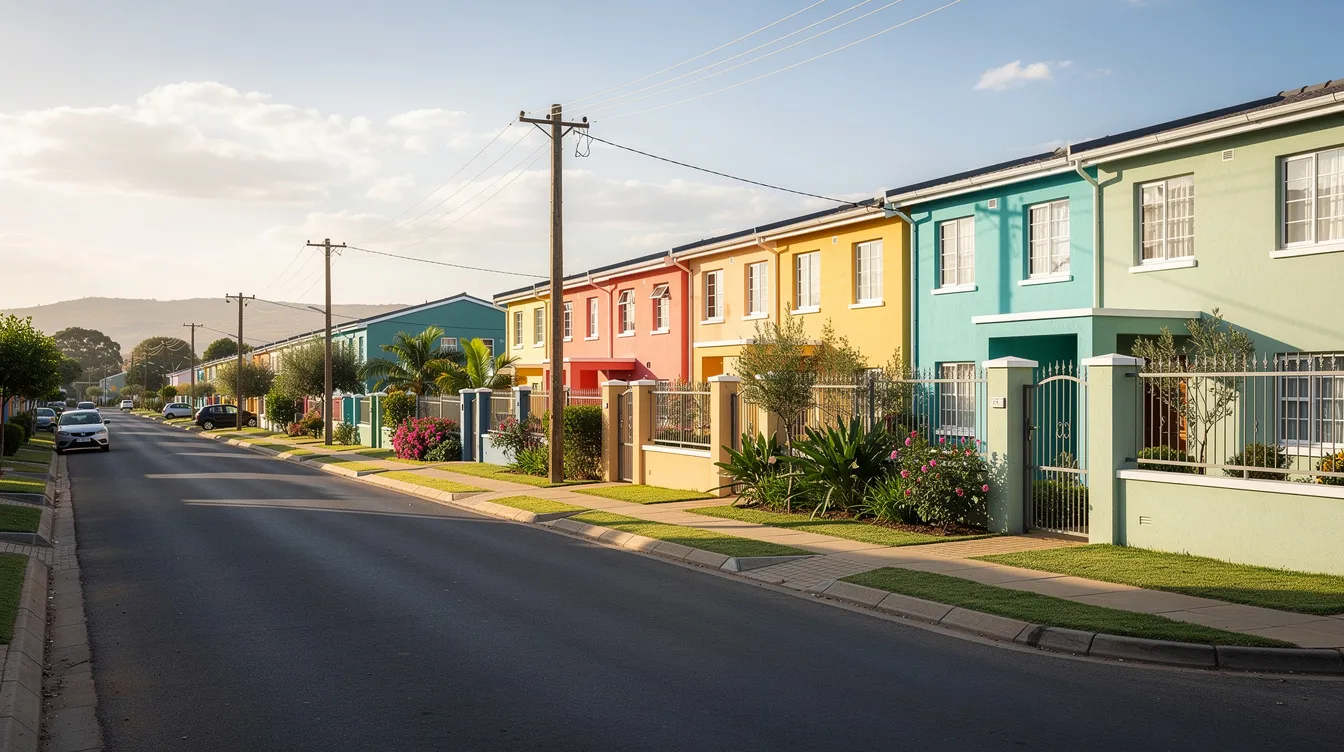
What is the Rental Housing Act and how does it protect landlords?
The Rental Housing Act commenced on 1 August 2000 and regulates residential rental housing only - flats, houses, cottages, and student accommodation. Commercial leases fall mainly under common law and the consumer protection act.
The Rental Housing Amendment Act of 2014 was promulgated but has not yet been brought into force. Once commenced, it will impose stricter written lease and habitability rules. Smart landlords are already aligning their rental agreement templates with those requirements to future-proof compliance.
Landlord lease rights and responsibilities under the Housing Act
The Act balances the interests of both parties. Non-compliance can result in tribunal rulings, fines, or a court order.
Core landlord rights:
- Receive rent on the agreed date and in the agreed rental fee amount
- Reasonable access for inspection, repairs, and maintenance
- Claim compensation for damage beyond normal wear and tear
- Enforce lease terms and approach the rental housing tribunal or courts
Core landlord responsibilities:
- Provide and maintain a habitable condition - safe, structurally sound, with basic utilities and services
- Comply with municipal bylaws, health, and security standards
- Respect the tenant's privacy and provide reasonable notice before entering the property
Landlords cannot arbitrarily cancel leases mid-contract, and even a well-drafted agreement cannot override tenant protections established by legislation or common law.
Drafting a legally compliant lease agreement
Lease agreements must be in writing according to South African law, and landlords must provide a written lease on request. A legally binding rental agreement protects both the landlord and tenant by recording payment terms, rules, and responsibilities in clear writing.
Every lease agreement should include:
- The property's condition, address, and description
- Rental amount, due date, and annual rental increases
- Deposit amount and fixed term lease duration
- Notice periods for cancellation
- Maintenance responsibilities and rules on subletting
Deposits and the interest bearing account
The rental housing act specifically regulates handling of a tenant's deposit. Landlords may request a security deposit - typically one to two months rent - and must keep it in an interest bearing account at a recognised financial institution.
Key deposit rules every south african landlord must follow:
Obligation |
Detail |
Storage |
Deposit must be kept in an interest bearing account |
Proof |
Tenants can request proof of interest earned on their deposit |
Refund (no damage) |
Must be refunded within seven days if no damages exist |
Refund (repairs needed) |
Deposit refunds required within 14 days if repairs are needed |
Normal wear |
Landlords cannot use deposits for normal wear and tear repairs |
Tenants are entitled to the interest earned over the lease period. Keep records - receipts, bank statements - to protect yourself and comply with the law.
Ingoing and outgoing inspections: protecting your right to claim
A joint inspection is not optional admin - it is a legal requirement. Landlords must conduct joint inspections before and after the lease.
Ingoing inspections are legally required before tenant occupancy. Walk through the rental property together, record every defect in writing and photos, and ensure both parties sign the inspection report to document the property's condition.
Outgoing inspections must occur at lease termination to assess damages. Aim to inspect within three days before the lease expires. Inspection reports are vital evidence in maintenance disputes. If a landlord skips inspections, they lose the right to claim damages or deduct from the deposit.
Rent, utilities and notice periods
Consistent rent collection protects your cash flow. The agreement should state the rent due date, payment method, and how utility charges for water, electricity, and refuse are calculated. Tenants must pay rent by the due date as per the lease, and tenants have the right to receive services at the agreed-upon rent in full without hidden charges.
Standard south african rentals notice periods:
- Month-to-month: one calendar month's written notice to the other party
- Fixed-term early cancellation: at least 20 business days under the consumer protection act, plus a reasonable cancellation penalty
For non payment, issue a written breach notice on behalf of your legal rights, stating what is owed and the remedy period before lease termination.
Using the Rental Housing Tribunal
The rental housing tribunal is a free, accessible forum for resolving disputes. Each province has its own rental housing tribunal for disputes - Gauteng, Western Cape, KwaZulu-Natal, and beyond.
Landlords can refer complaints about non payment of rent, deposit disputes, denied access for repairs, and unfair practices. Tenants can also lodge complaints with the tribunal. Disputes are often mediated before formal hearing sessions occur. Tribunal rulings are legally binding and enforceable through the Magistrates' Court, making this route faster and more affordable than full litigation.
Evictions, unlawful occupation and your legal rights
Evictions in south africa are governed by the PIE Act alongside the rental housing act. Self-help evictions such as lockouts are prohibited - landlords may never change locks, cut electricity, or remove a tenant's belongings. Such unlawful evictions and illegal eviction attempts can lead to criminal or civil liability.
The lawful eviction process: issue breach and cancellation notices, apply to court for a court order, and serve the required PIE Act notice. Tenants can contest evictions in court under the PIE Act. A compliant lease, inspection report records, and a paper trail of written notice strengthen your case.
POPIA, record-keeping and working with a professional rental agent
Under POPIA, landlords who handle tenant IDs, bank details, and employment records must protect that data. Collect only what is necessary, store lease agreements securely, and maintain payment histories, correspondence, and inspection documents to demonstrate compliance with the housing act.
How Rawson Property Group helps South African landlords stay compliant
South African rental law blends the rental housing act, CPA, PIE Act, POPIA, and common law. Rawson's rental management service covers marketing your property, vetting tenants, drafting compliant lease agreements, managing deposits in interest bearing accounts, and handling inspections and maintenance on your behalf - all backed by a national franchise network with local market insight.
Contact your nearest Rawson Property Group office for guidance on the rental housing act or to discuss full property management that will protect your investment.


