



Renting out your house in South Africa can generate steady rental income and grow a long-term asset, but for first time landlords, the process is filled with legal requirements that can trip you up. This 2026 guide from Rawson Property Group walks you through every step, from preparing your rental property to finding quality tenants and managing your lease agreement. South African rental housing is governed by the rental housing act and the consumer protection act, so you need to comply from day one. You'll also learn about the rental housing tribunal, how to work with a rental agent, and whether a managed or unmanaged approach suits you best.
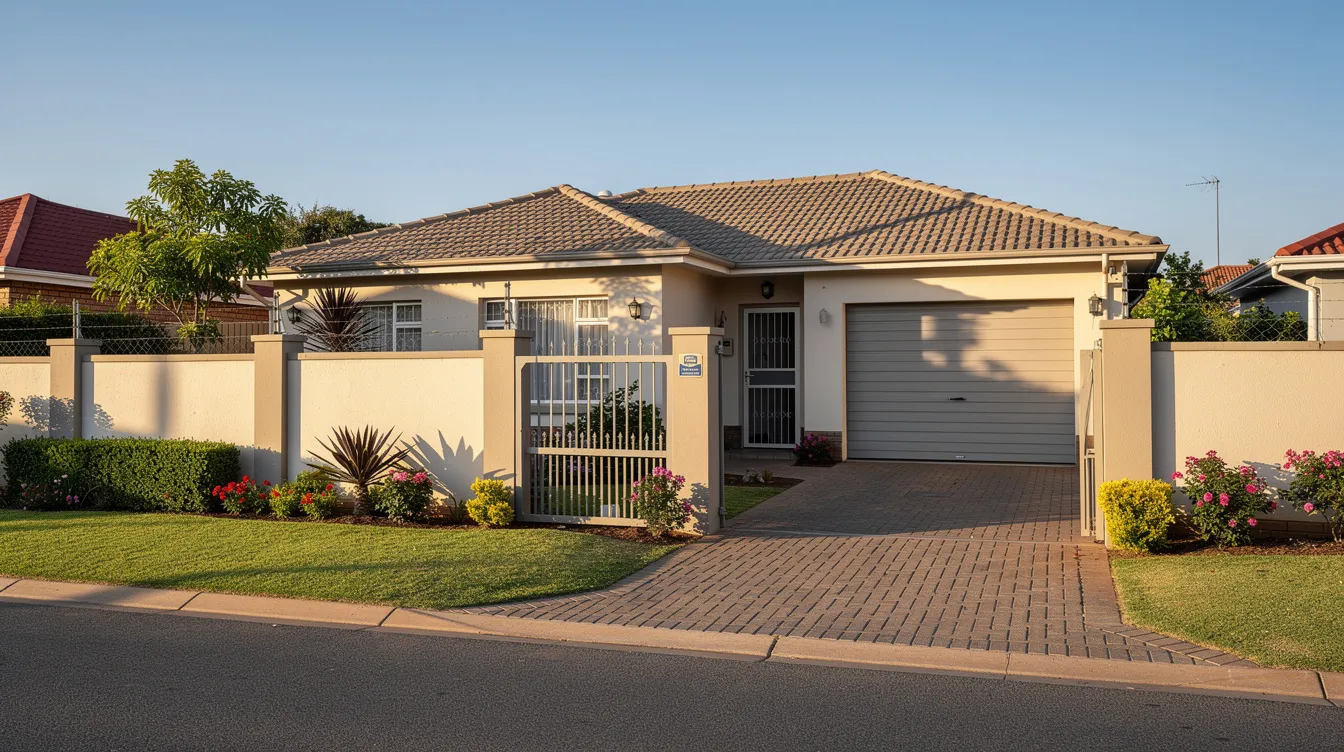
Step 1: Check If Your Property Is Ready to Rent
Properties must be maintained and safe before renting. Walk through your house with fresh eyes and note peeling paint, leaking taps, broken fixtures, and mould. Inspect the property before renting to attract quality tenants - professional presentation attracts prospective tenants and reduces time on market.
Landlords should spend R5,000 on repairs to attract better tenants. Spending R5,000 on repairs can increase rent by R500–R1,000 per month. Focus on:
- Repainting walls in neutral colours
- Fixing cupboard doors, tap washers, and cracked tiles
- Garden clean-up and outdoor lighting
- Security upgrades: burglar bars, gate locks, alarm systems
- Ensuring the stove, geyser, and plumbing all work
Step 2: Understand Your Legal Obligations as a Landlord
South Africa's rental housing law protects both the tenant and the landlord. The Rental Housing Act requires landlords to maintain habitable properties, handle deposits correctly, and conduct joint inspections. Landlords must maintain rental properties in a habitable condition, and repairs must be completed within.
The rental housing tribunal provides mediation in tenant disputes and operates as a free forum in each province, covering issues like non-payment, deposit disputes, and maintenance failures. Under the Consumer Protection Act, a rental agreement can be cancelled with 20 business days' notice and a reasonable penalty.
Landlords must provide a written lease upon tenant request. While verbal agreements are legally valid, a written agreement is always recommended to prove compliance and avoid court disputes.
Step 3: Get Compliance Certificates and Landlord Insurance
An electrical compliance certificate is required for rental properties in South Africa. Issued by a registered electrician, it typically costs R1,200–R2,500 depending on the property size. Gas compliance and electric fence certificates may also apply.
Without valid certificates, insurance claims can be rejected and you face liability for fire or injury. Standard homeowner's insurance usually excludes loss of rent and malicious damage by tenants - switch to landlord-specific cover that includes these risks, and notify your insurer in writing that the property is now a rental property.
Step 4: Decide on Self-Management vs Using a Rental Agent
First time landlords must decide whether to manage the property themselves or appoint a property manager. An unmanaged lease means you handle everything: marketing, tenant selection, drafting the lease, inspections, rent collection, maintenance coordination, and dealing with eviction if needed.
Pros of self-management: saving management fees (typically 10 –15% of monthly rent), direct control, faster personal decisions.
Cons for first time landlords: time-consuming, higher risk of legal mistakes, emotional involvement, and difficulty handling non payment or tribunal processes.
A rental agent from Rawson Property Group provides market valuation, advertising on major listings portals, tenant vetting, compliant lease drafting, inspections, and arrears management. Rawson offers both fully managed and placement-only options. For most first time landlords, the cost of an agent is outweighed by reduced vacancies and protection of your investment.
Step 5: Set a Market-Related Rental Amount
Overpricing leads to vacancies; underpricing erodes returns for years. Research rental prices through Property24, Private Property, Rawson listings, and local community groups to ensure a competitive asking price. Market rent can be determined through local newspapers and rental websites.
Monthly rent should ideally be 0.8%–1% of property value. South Africa's average gross rental yield sits at approximately 11.53% in H1 2026, though this varies significantly by city. Adjust the rent amount for features like secure parking, fibre readiness, and solar or inverter installations. Monthly rent should generally not exceed 30% of a tenant's gross income to ensure affordability.
Body corporate levies, rates, and bond repayments affect your cash flow, but the market - not your bond - sets the rent. Rawson agents provide free rental valuations based on current demand.
Step 6: Prepare a Legally Compliant Lease Agreement
A written lease agreement is critical for clarity and must comply with the Rental Housing Act. Lease agreements must comply with the Rental Housing Act and include:
- Full names and ID numbers of both parties
- Property address and description
- Lease term with a clear end date and renewal terms
- Rental amount, escalation rate, and payment dates
- Deposit amount and payment method
- Maintenance obligations and utilities (electricity, water)
- Breach, cancellation, and early termination clauses aligned with the Consumer Protection Act
Repairs must be completed within include this in your lease. Avoid generic overseas templates. Rawson provides vetted lease agreement templates reviewed by a property attorney to keep residential leases compliant.
Step 7: Handle Deposits and Money the Right Way
Deposits must be held in an interest bearing account separate from personal or business funds. Deposits must vary from 1 to 2 months of rent before moving in, paid before the tenant moves into the property.
At the end of a lease period, where there are no damages, landlords must return the deposit within 7 days; where there are damages 14 days; and where the tenant is not present at the outgoing inspection, 21 days.
When landlords use Rawson's managed service, deposits are correctly administered, reducing tribunal disputes over money.
Step 8: Market Your Rental Property Effectively
Tenants increasingly search for rentals online using mobile devices. Strong listings need high-quality wide-angle photos, accurate descriptions covering fibre availability, parking, security, and pet policy. List on Rawson's website, Property24, Private Property, and social media.
Respond to enquiries within hours - speed secures viewings before competing properties. A rental agent from Rawson coordinates marketing, viewings, and feedback, which is especially valuable for landlords living far from the property.

Step 9: Tenant Selection and Screening
Good tenant selection is crucial for property investment success. A strong tenant selection process is crucial for profitability and increases timely rent payments. Vetting tenants includes checking references and previous rental history. Require prospective tenants to provide:
- Certified ID and proof of income (payslips, bank statements)
- Previous rental references from prior landlords
- Employer verification
Conduct credit checks to avoid bad tenants - look for judgment history, arrears patterns, and affordability. A rental agent can help identify good tenants using professional screening tools. Screen tenants carefully: a good tenant protects your asset; a poor choice leads to disputes, non payment, and repair costs.
Step 10: Move-In Day, Inspections and Ongoing Management
A property inspection should document existing damage before renting. Conduct a joint ingoing inspection with the tenant present: photograph each room, note defects, and have both parties sign the report. This protects both the tenant and the landlord when assessing deposit deductions later.
On move-in day, record meter readings for electricity and water, and hand over keys. Routine inspections help ensure proper maintenance of the rental property - schedule these every 6–12 months. The outgoing inspection must happen within three days before the lease ends.
Pros and Cons of Unmanaged vs Managed Lease Agreements
Unmanaged (DIY) |
Managed (Rawson) |
|
Pros |
Lower direct fees, full control, flexibility |
Reduced legal risk, better tenant vetting, lower vacancy, structured arrears process |
Cons |
Non-compliant lease wording risk, personal stress managing disputes, weak documentation for tribunal |
Management fee (10 –15%), standardised processes |
Consider this scenario: a tenant stops paying after six months. With an unmanaged lease, you're personally chasing arrears, drafting breach letters, and potentially facing the rental housing tribunal alone. With a Rawson-managed lease, there's a structured process, legal compliance, and professional support resolving disputes before they escalate to court or eviction proceedings.
Managing Rental Finances and Tax
A rental property is a small business. Landlords must declare rental income to SARS - even if rent barely covers the bond. Landlords should maintain accurate records for tax compliance. Deductible expenses include interest on your bond, repairs and maintenance, rates, levies, insurance, agents fees, and compliance certificate costs.
Hidden costs of renting can be underestimated by new landlords. Keep a rental reserve fund for major repairs (roof, geyser), special levies, and vacancy periods. Rawson's monthly statements simplify year-end tax reporting. Speak to a registered tax practitioner for complex situations.
When Things Go Wrong: Arrears, Disputes and the Rental Housing Tribunal
The rental housing tribunal resolves disputes between landlords and tenants - including non payment, unfair deposit withholding, and failure to maintain the property. Start with written reminders, then formal breach letters per the lease. Documentation is key: keep your lease agreement, inspection reports, and payment history organised.
Tribunal proceedings are free and typically resolve within 1–3 months, but they cannot issue eviction orders - those require court action. Rawson agents guide landlords through early intervention and, where needed, coordinate with attorneys.
Prevention works best: strong leases, thorough screening, and clear communication dramatically reduce formal disputes.
How Rawson Property Group Supports First Time Landlords
Rawson is a national franchise-based real estate group with rental experts across South Africa. Services include rental valuations, marketing and tenant placement, lease drafting, deposit administration, rent collection, inspections, and maintenance coordination. Partnering with Rawson means your property investment is managed in full compliance with the law, while you invest your time elsewhere.
Your Next Steps as a First Time Landlord
Prepare the property, understand your legal obligations, secure compliance certificates and insurance, set a market-related rent, draft a compliant written lease, handle deposits correctly, market effectively, and screen tenants thoroughly. Knowledge of the rental housing act and solid tenant selection are your strongest foundations.
Contact your nearest Rawson Property Group rental agent for a free rental valuation or a no-obligation discussion about managing your house. With proper preparation and the right support, becoming a landlord in South Africa is both rewarding and financially sound.


